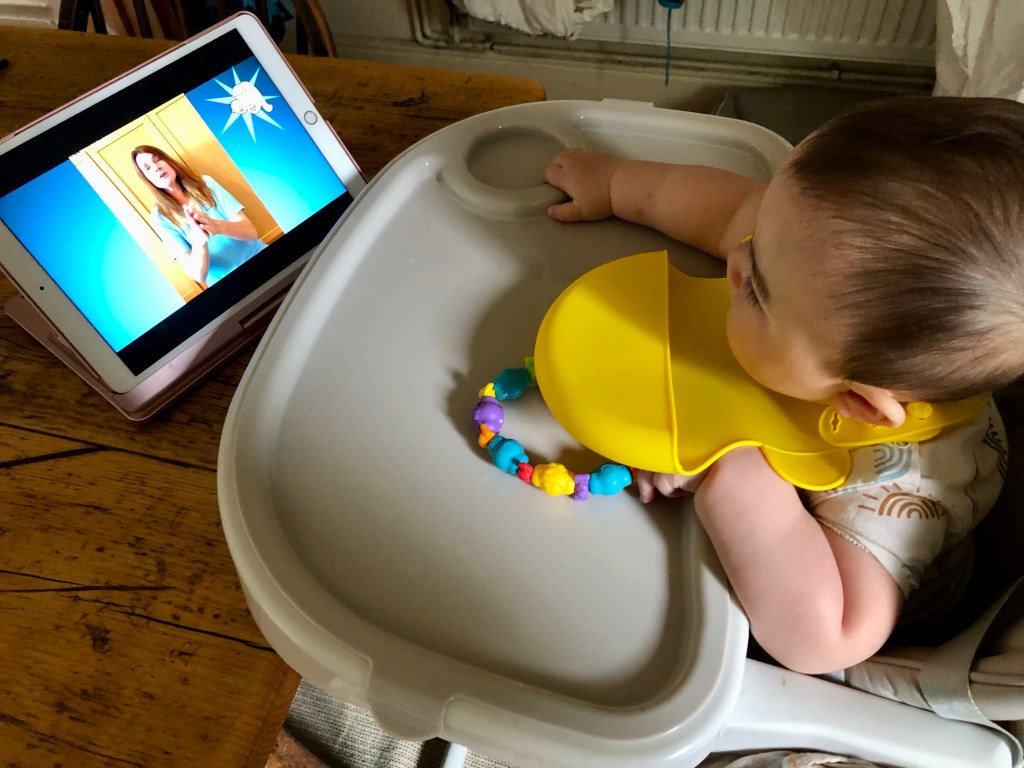
AJ and joined our first Sing and Sign class this week and we absolutely loved it. AJ sat entranced by the session facilitator and was full of smiles and happy arm flaps. If you haven’t heard of Sign and Sign before, it’s a class that teaches baby sign language through different songs and aims to build your signing vocabulary a few keywords at a time.
Baby Sign Language is said to promote language acquisition and because it can be taught from 6 months, it can often be the first form of communication your baby does. I’ve been watching videos of babies signing and it melts my heart.
How Baby Sign Language Can Help Cantonese at Home
According to my Baby Sensory facilitator and my Sing and Sign facilitator, Baby Sign Language can be hugely beneficial for multilingual households as the signs can act as a bridge between languages (though I appreciate my sources may be biased!) However, I can follow the logic. If Baby Sign Language has been shown to help language acquisition and bilingual babies have double the amount of ‘language to acquire’, then why wouldn’t Baby Sign Language? Because there isn’t a huge Chinese community where I live, I love the idea that one of AJ’s classes could help him learn Cantonese.
So our plan is for me to continue speaking as much Cantonese as I can to AJ during the day and to start reinforcing his vocabulary with the appropriate sign. My partner will also sign to AJ when speaking in English. Even if this doesn’t help AJ’s Cantonese, it may help him communicate to any of his future caregivers as they likely will only speak English to him!
Learn with Me and AJ
Each Sunday, I’ll post the signs we have learnt that week for you to teach to your baby. I’ll also be adding to my Quizlet deck if you wish to learn through interactive flashcards, which also includes audio (you will need to create a free Quizlet account). Once you know the signs, spend the week focusing on signing each time you use one of the key words.
This week, our key words are:
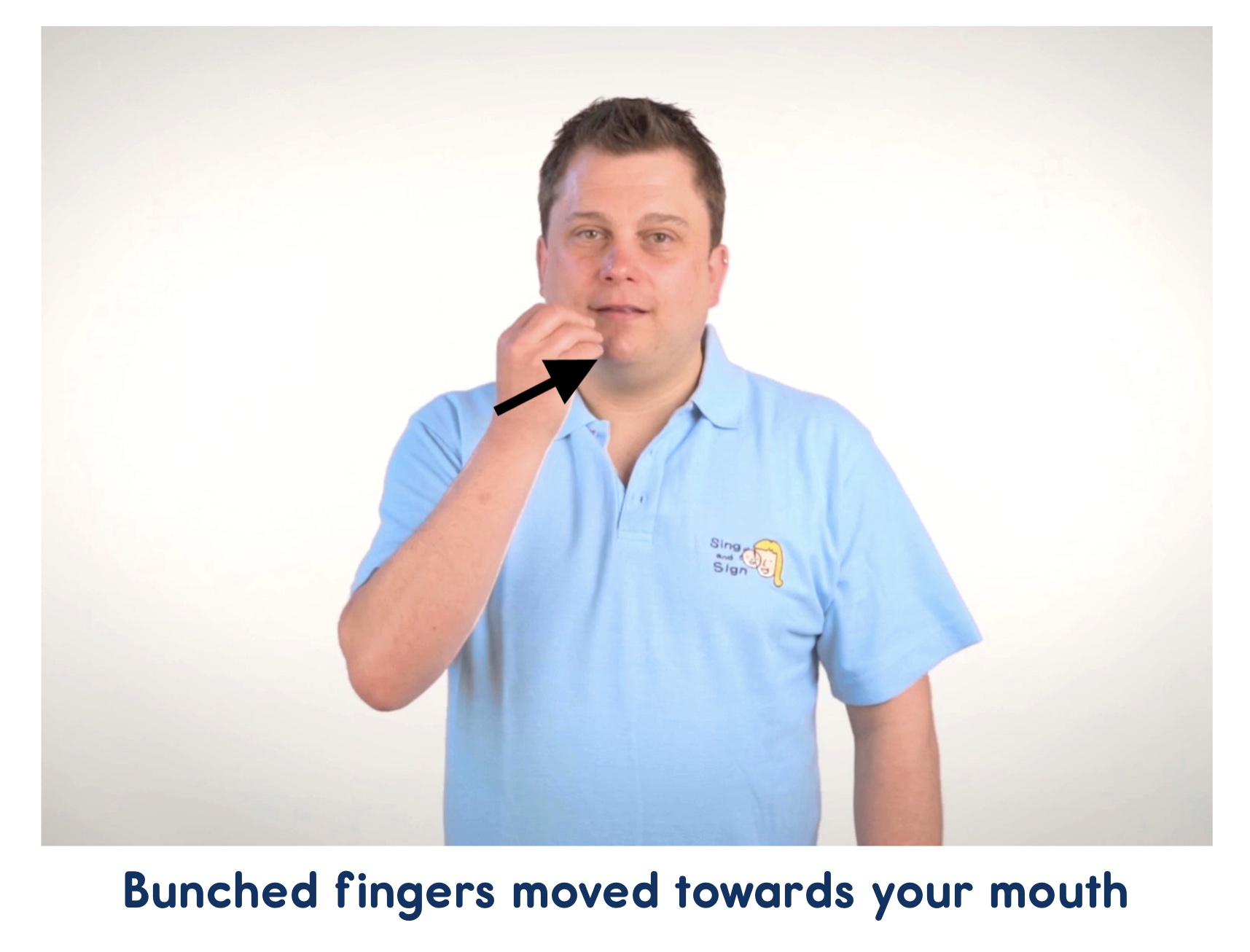
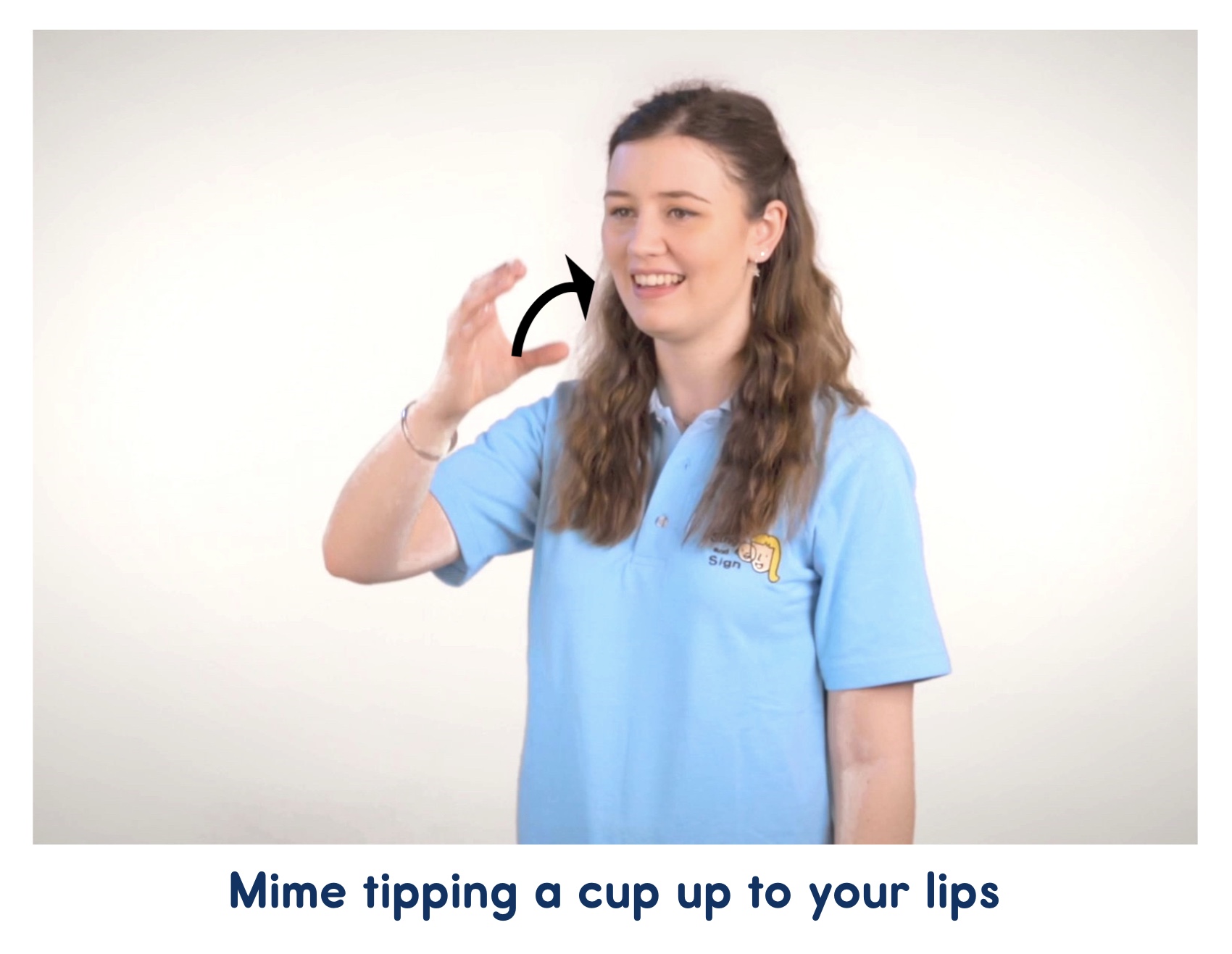
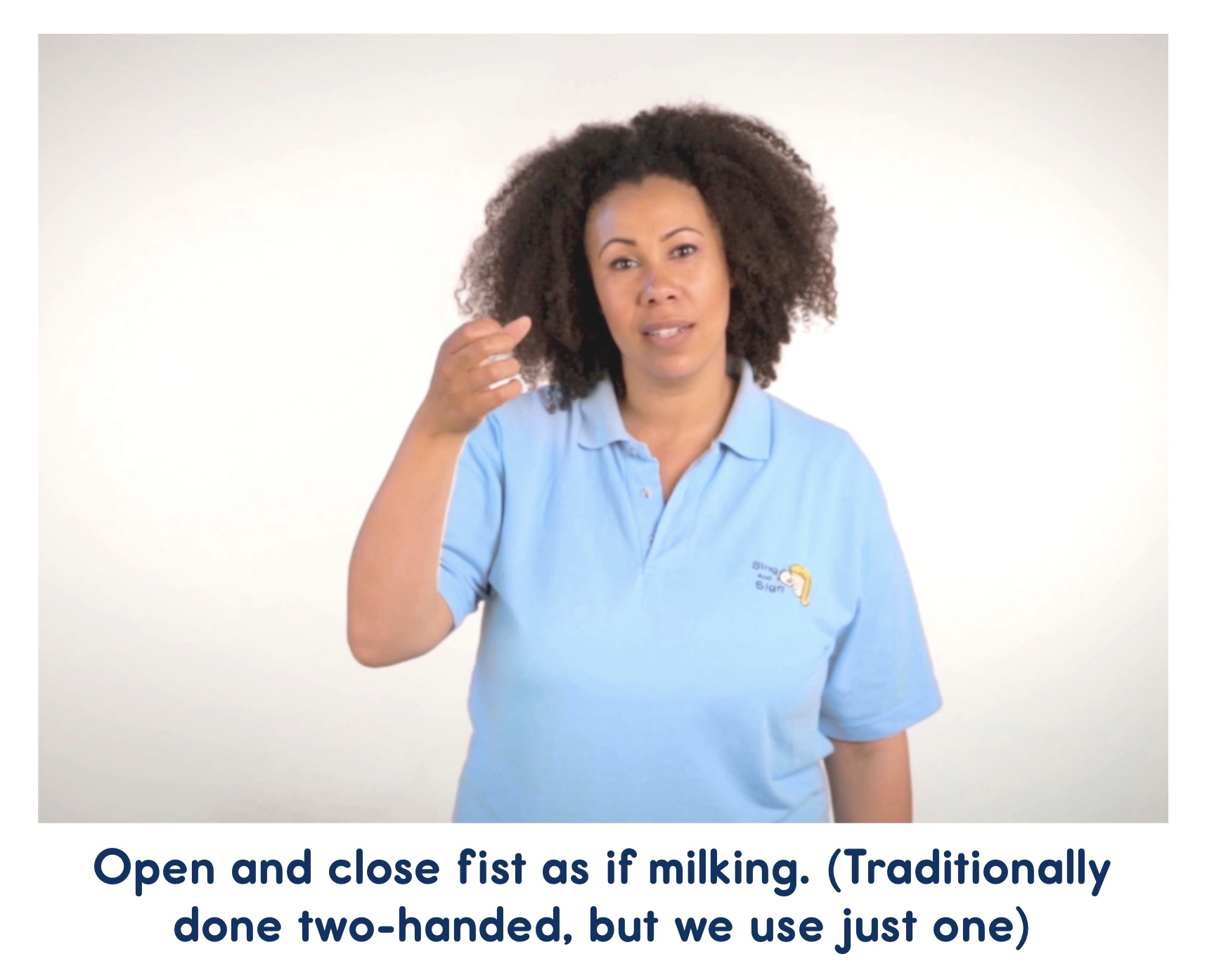
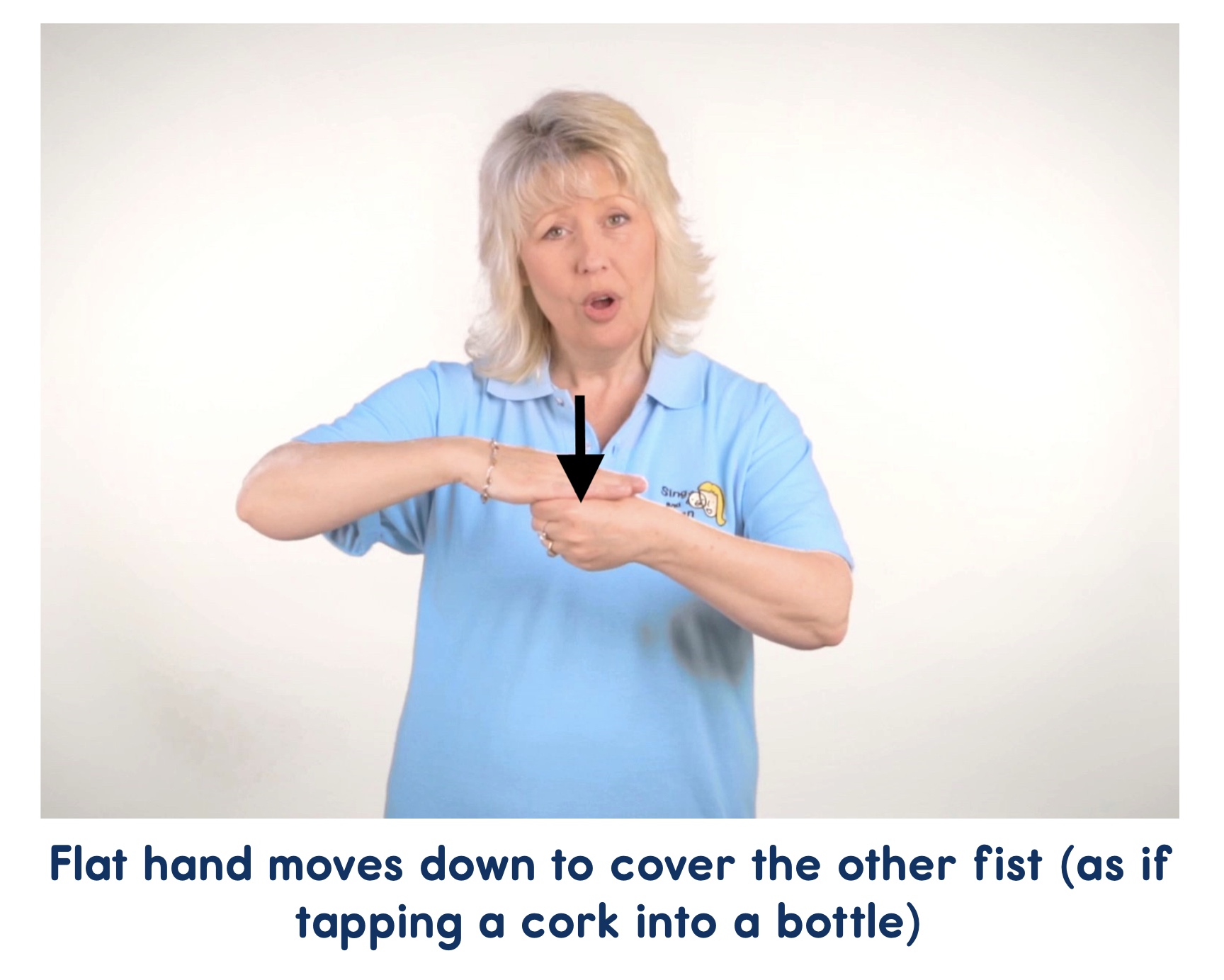
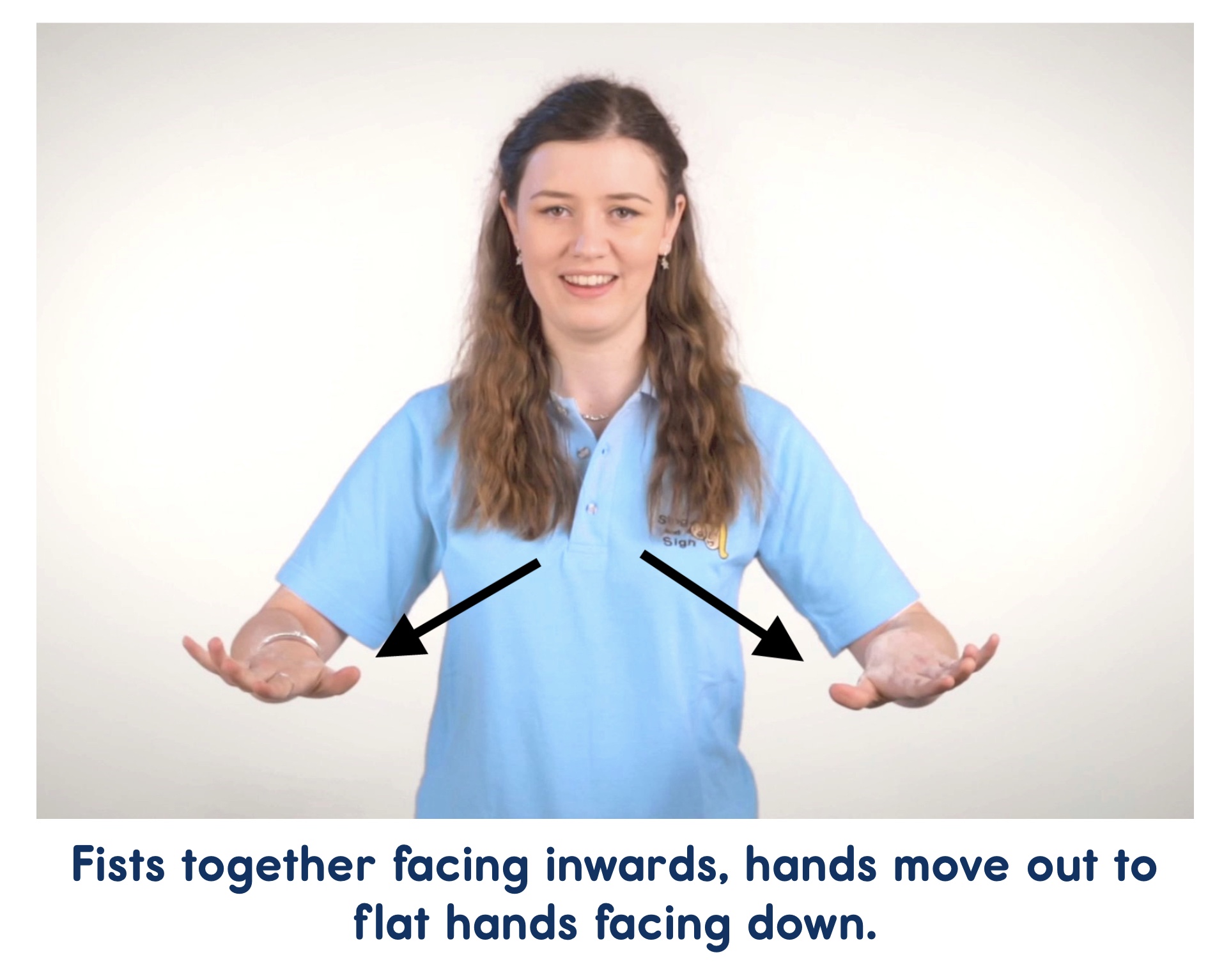
Don’t be afraid to apply these signs to multiple scenarios. For example, the ‘all gone’ sign can be applied when a meal is over, a bottle is empty, a game is finished, a toy is out away or someone has left the room. The ‘eat’ sign can be used whenever you talk about food, not just mealtimes. ‘More’ can be used for food, drink, games, and stories. Baby Sign Language isn’t rigid. You learn different words then you figure out your own method of communicating with your child.
I hope you found my guide useful. Join me next Sunday for your next instalment of signs. Have fun signing!
 Mama Bear Cantonese
1 thought on “Baby Sign Language for Bilingual Babies (Week 1)”